
Part 3 of the how dudes be rockin series
I’ll write it again–Nice guys finish last. How many times have you seen or heard this phrase before? And in how many different contexts have you seen it used? I’m not sure how often it’s said anymore, but I certainly heard it enough in my life growing up.
Throughout my last few blog posts, I’ve mentioned several phrases like this one, which are (in the US, at least) almost universally known by men and boys. You could dismiss them as clichés sayings that don’t really mean anything. However, I think that their sheer popularity warrants some analysis.
These are proverbs–messages of advice or pieces of general truth describing the concept of masculinity, or what it means to be a man. And of all of these proverbs we’ve discussed, I think this one might encapsulate the issues of toxic masculinity most perfectly.
What do you think, fellas? To quickly sum up my thoughts, I think “nice guys finish last” sends a few key messages to the “guys” it describes and addresses.
- You’re in a competition–just in general, I guess.
- Other men are your opponents.
- If you’re nice, you’re going to lose.
Right of the bat, let me make myself clear–I think this is a stupid and harmful idea. However, that doesn’t mean that it is completely useless advice. A lot of your life will involve competing against others. Not for medals or trophies, but for resources you need to survive.
When someone else is hired for the job you applied for, it’s not just a blow to your pride. You’re missing out on income to pay for water, food and shelter, as well as insurance for healthcare needs.
Being “nice” is often conflated with being selfless. “Nice guys finish last” isn’t a condemnation of nice or selfless behavior. It’s more of a warning. Forgoing your own wants and needs in favor of someone else’s is noble. However, someone out there might try to take advantage of your efforts to be nice, with no intention of returning that selflessness.
Unfortunately, there will be many times when taking the high road doesn’t benefit you at all. You’ll end up in the same place as everyone who took the low road, but your path was more difficult, or maybe less cathartic. Or, as this proverb seems to imply, you might arrive after everyone else, or maybe not even make it there at all.
For how commonplace this phrase is, I always figured that its origin would be lost to time. I had it in my head that sayings like these start out as something some guy said once, and then they happen to catch on.
However, it turns out that a quick search for nice guys finish last first use yields some very well-documented results. I’ve gotta say, the debunking of the saying’s mythos really takes the wind out of its sails.
The first utterance of “nice guys finish last” was not spoken by a dark, broody cowboy in an equally dark saloon, while lighting a cigar to celebrate hustling some oil baron at the poker table. Instead of the old west, its birthplace was New York, in 1946. During a conversation between two baseball managers.

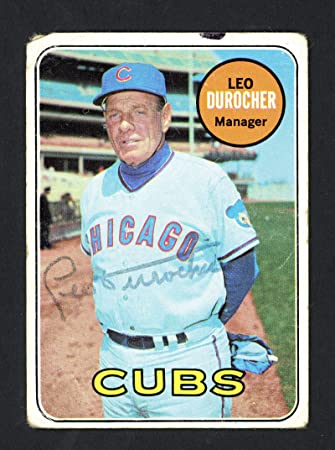
Both of the pictures above are of Leo Durocher. I guess the second one is labeled, so you probably knew that. But either way, this is the guy who started it all. While managing the Brooklyn Dodgers, Durocher told Mel Ott, player/manager for the New York Giants, that his team was a lot of nice guys, but nice guys finish last. Here’s a retelling of the conversation from Durocher’s book:
I called off his players’ names as they came marching up the steps behind him, “Walker Cooper, Mize, Marshall, Kerr, Gordon, Thomson. Take a look at them. All nice guys. They’ll finish last. Nice guys. Finish last.”
And to be fair, at that moment, the Giants were literally in last place with the worst record in the league. This article by Hannah Keyser is a good read if you’re interested in learning more about the conversation where the phrase was coined.
Durocher was proud enough of that line that he made it the title of his book. Honestly, I’d do the same thing myself, if I came up with such a prolific phrase. But also, it’s very funny to me that this phrase spawned from two guys talking shit to each other at a baseball game. Now that I know more about the good word, maybe I should review/rethink my initial analysis of “nice guys finish last.”
- You’re in a competition–just in general, I guess.
- Other men are your opponents.
- If you’re nice, you’re going to lose.
Damn, looks like I knocked it out of the park (zing), even without any context from the actual origin of this idea. I didn’t need to do any research after all. But at least it’s reassuring to know that NGFL (new acronym I’m trying out, get your wristbands here) was first said in reference to an actual game, instead of a job opening, or getting a girl’s phone number or something.
All that being said, I don’t personally care for or agree with this idea. For one, it’s used all the time to excuse bad behavior by men–unwarranted aggression, selfishness, misogyny, etc. I think it’s wrong. I’ve been called a nice guy many times, and I take pride in that title. Granted, I’m not a perfectly selfless person, but regardless, when I look at my life, I think I’m far from last place.
Meanwhile, what place is Leo Durocher in? Ah. Well, RIP I guess. For those who can’t access that obituary because of the paywall (myself included), I will include an excerpt from it:
Perhaps major league baseball’s best example of the win-at-all-costs manager… Durocher always placed heavy reliance on physical and psychological intimidation of the enemy, the army of foes that, to him, included the umpiring crews. To him, base hits, hook slides and sharp-breaking curveballs were important, but equally so were sharp spikes, beanballs and umpire-baiting.
So there it is. Durocher seems to have mostly succeeded at his goal of “win at all costs,” he even won the World Series once. And whenever I croak, I doubt I’ll get a half-page obituary in the Times. But I can rest easy knowing my obituary won’t recount how I cheated and played dirty to get my wins.
I’m very tempted to end the post there, but I have to include one last thing. When I was telling my lovely, amazing girlfriend my ideas for this post, she posed an interesting question. When people say “nice guys finish last,” they put the onus on the guys, or the players. There’s an implied question: What are you willing to do to win? But maybe, what we should be asking instead, is: Who’s fixing the race?
Thanks for reading, friends!
Love, Josh
 Room Temperature Coffee